
Popular Gym Floorings For Versatile and Long-Lasting Workout Spaces
Discover the most favored gym flooring materials that combine comfort, resilience, and ease of maintenance for any fitness facility.
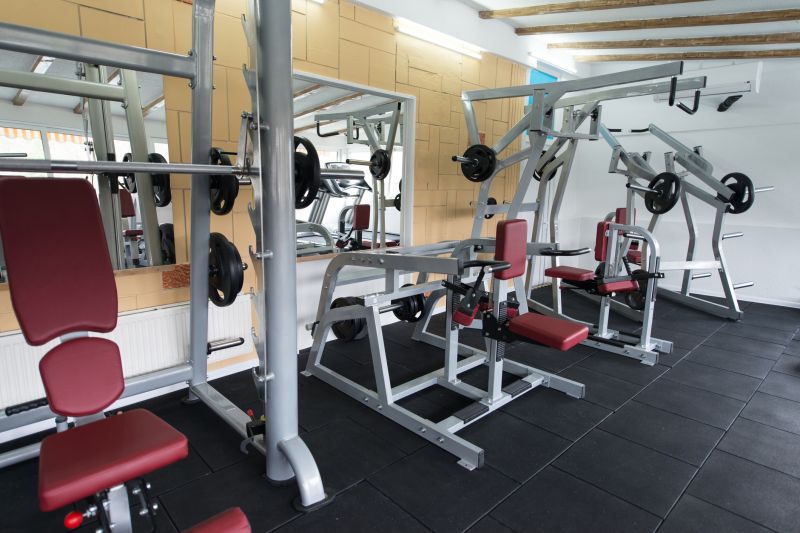 Selecting the appropriate flooring for a gym environment is essential for safety, durability, and functionality. Gym flooring options vary widely, catering to different activities such as weightlifting, cardio workouts, martial arts, and high-impact training. The ideal flooring should provide adequate shock absorption to protect joints and equipment, while also offering a non-slip surface to prevent accidents. Additionally, ease of installation and maintenance are important factors to consider, ensuring the flooring remains in good condition over time.
Top Overall Option
Rubber Interlocking Floor Tiles
Rubber interlocking tiles are widely regarded as a versatile and durable choice for various gym applications. They are easy to install, requiring no adhesives, and can be customized to fit different space sizes. These tiles provide excellent shock absorption, reducing impact on joints and equipment, while offering a non-slip surface for safety. Their modular design allows for straightforward replacement of damaged sections, making maintenance simple and cost-effective.
Types of Products For Gym Floorings
Rubber Floor Tiles
Interlocking or peel-and-stick tiles made from rubber, suitable for weight rooms and functional training areas.
Foam Mats
Soft, cushioned mats ideal for martial arts, yoga, or stretching zones, providing comfort and shock absorption.
Vinyl Flooring
Seamless, resilient surface options that are easy to clean and maintain, suitable for high-traffic areas.
PVC Flooring
Durable and water-resistant flooring often used in commercial gyms for its longevity and ease of maintenance.
Artificial Turf
Synthetic grass surfaces suitable for functional training, agility drills, or sports-specific areas.
Puzzle Mats
Interlocking foam or rubber mats that can be customized to fit specific workout spaces.
Rolled Rubber Flooring
Continuous rubber sheets providing seamless coverage for large areas with high impact demands.
Carpet Tiles
Carpet tiles designed for gym lounges or multi-purpose areas, offering comfort and sound absorption.
Cork Flooring
Natural cork surfaces that provide a soft, resilient, and quiet flooring option for certain gym zones.
PVC Rubber Combo Tiles
Hybrid tiles combining the benefits of rubber and PVC for versatile gym flooring solutions.
Popular Choices
Thick rubber mats are commonly used for weightlifting and cardio zones due to their durability and shock absorption.
Flexible foam tiles popular for martial arts, yoga, and stretching areas for their comfort and ease of installation.
Seamless vinyl rolls favored for their smooth surface and low maintenance in busy gym environments.
Resilient tiles that resist moisture and wear, suitable for commercial gym settings.
Popular for functional fitness zones, offering a natural look and versatile surface for various activities.
Easy-to-assemble puzzle mats that can be customized to fit specific workout spaces and needs.
Large rolls of rubber flooring that provide seamless coverage for high-impact areas.
Practical for lounge or multi-purpose areas within gyms, offering comfort and noise reduction.
Natural cork tiles used in specialized zones for their soft, resilient, and quiet qualities.
Combination flooring options that blend rubber, PVC, or other materials for tailored solutions.
Many gym flooring products are designed to withstand heavy usage and resist wear and tear. Rubber mats and tiles are among the most popular choices due to their resilience and cushioning properties. Foam flooring offers a softer surface that is particularly suitable for martial arts or yoga spaces, where comfort and flexibility are priorities. Vinyl and PVC options are also available, providing a seamless, easy-to-clean surface that can handle moisture and spills.
When choosing gym flooring, it is important to consider the specific needs of your workout space. For weight training areas, thicker rubber mats or interlocking tiles can provide the necessary support and impact absorption. For cardio zones, a smooth, resilient surface that minimizes noise and vibration is often preferred. Specialty flooring options, such as synthetic turf or puzzle mats, can add versatility and aesthetic appeal to multi-purpose gym areas. Properly selected flooring can enhance safety, improve workout efficiency, and contribute to a professional-looking gym environment.
Key Buying Considerations
- Type of activity or workout to determine the appropriate flooring material.
- Impact absorption capacity to protect joints and equipment.
- Durability and resistance to wear and tear in high-traffic areas.
- Ease of installation and whether DIY setup is feasible.
- Maintenance requirements and cleaning ease.
- Slip resistance to ensure safety during workouts.
- Water and moisture resistance for areas prone to spills or sweating.
- Compatibility with existing gym aesthetics and design.
- Cost and budget constraints for the project.
- Replacement and repair options for damaged sections.
- Thickness and density suited for specific activities like weightlifting or cardio.
- Sound absorption qualities to reduce noise levels.
- Environmental factors such as temperature fluctuations or humidity.
- Compatibility with gym equipment and accessories.
- Long-term performance and warranty options.